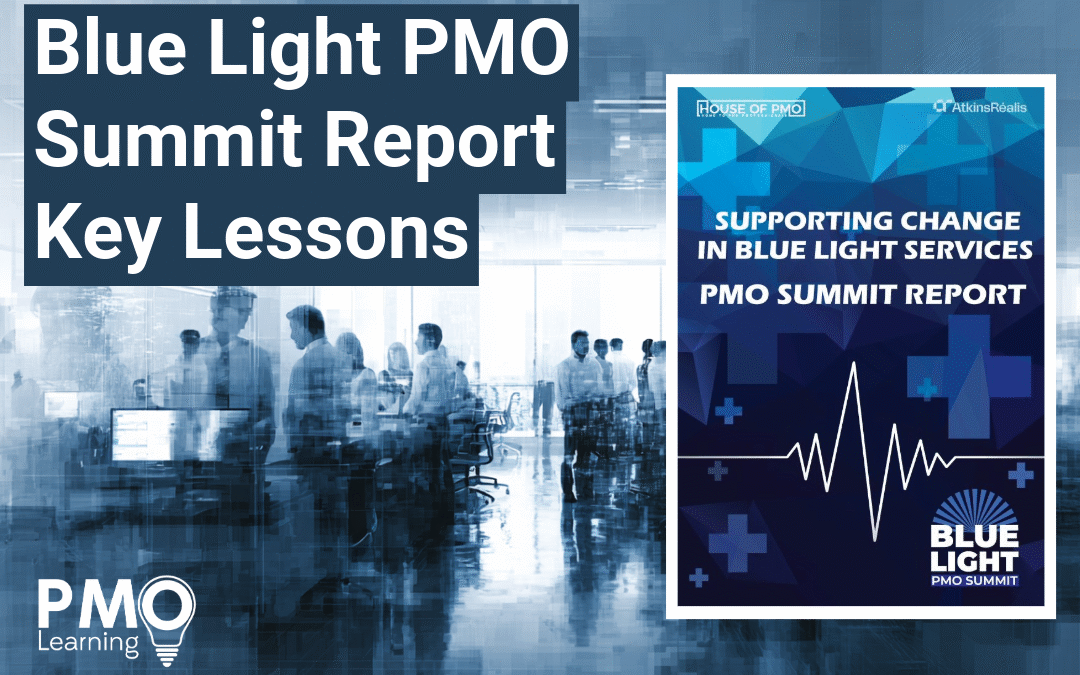
The Blue Light PMO Summit Report 2026 from the House of PMO brings together the lived experience of PMO professionals across policing, fire, ambulance, NHS emergency care and wider public safety organisations. The event held in November 2025, identified 16 core challenges, grouped across people, culture, delivery and future focus, with eight priority areas explored in depth .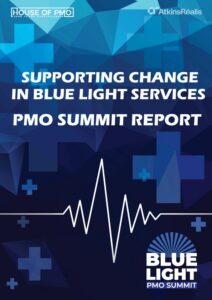
It offers an honest account of what PMOs in emergency services are really dealing with, including growing delivery pressure, tighter budgets, constant operational demands and the ongoing challenge of securing a stronger voice at a strategic level.
You can download the full report directly from the House of PMO website and explore all of the insights in detail .
Insufficient Executive Sponsorship and Its Impact on Governance
Challenge One outlines insufficient executive sponsorship. PMOs described sponsors who were named but not consistently engaged, accountability that lacked clarity and senior leaders who were too stretched to provide firm direction. When sponsorship is passive, projects drift and PMOs are left managing delivery risk without the authority to influence decisions.
This has a direct impact on how governance works in practice. Boards and reporting structures may exist on paper, but without visible and accountable executive backing they often lack the authority to enforce decisions around scope, prioritisation and difficult trade offs.
In complex emergency service environments, governance should not mean adding more layers of process. It should provide clarity about who makes decisions, who owns outcomes and who has the authority to redirect or stop work when priorities change.
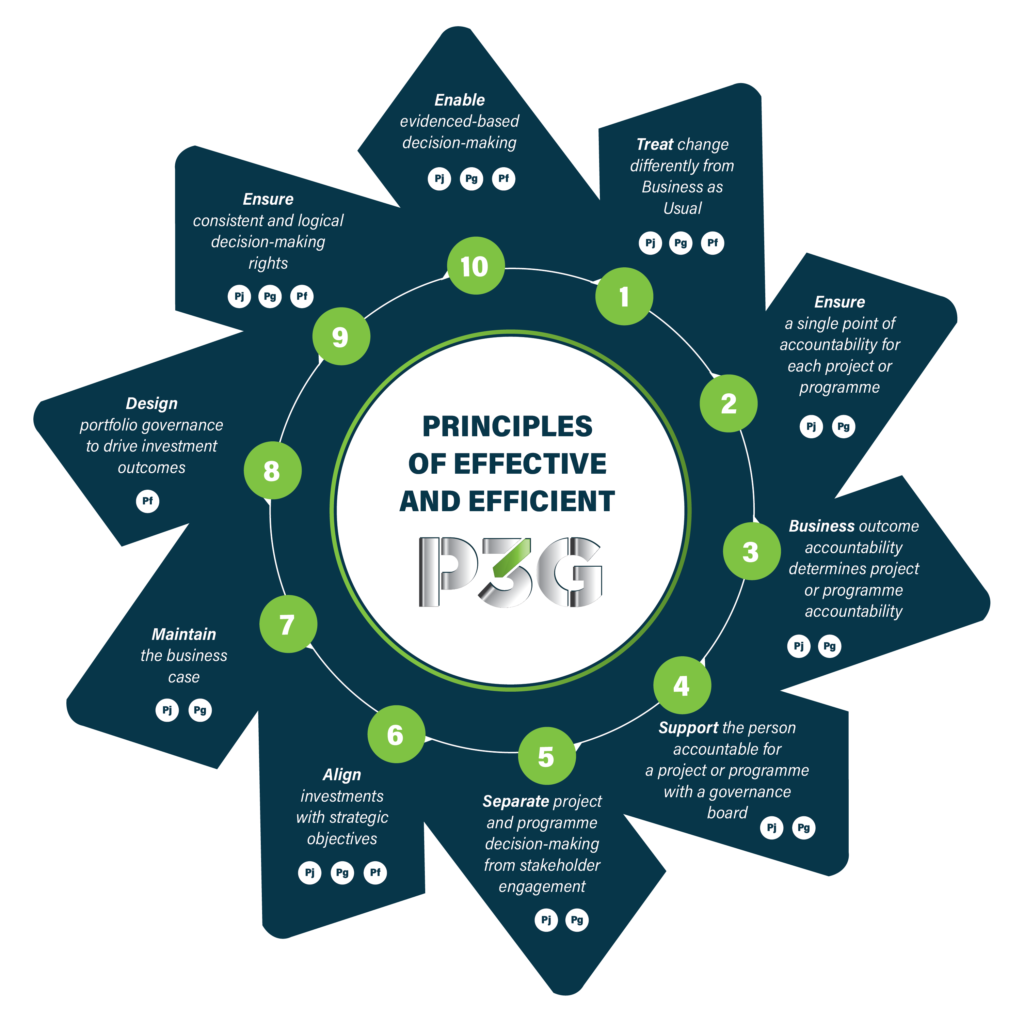
The Project, Programme and Portfolio Governance Professional course provides the knowledge and understanding necessary to design, implement and operate effective and efficient governance arrangements for a project or programme, or your organisation’s entire change portfolio. You can find out more about the course here.
Demonstrating Value for Money Through Stronger Benefits Practice
The report also highlights the challenge of demonstrating value for money. In financially constrained environments, PMOs are often asked to justify their cost, yet benefits are not always tracked in a way that resonates with senior leadership. Projects may complete on time, but without clear ownership and follow through, the link between investment and outcome is weakened.
In emergency services, where public accountability is high, this gap can undermine confidence in the PMO function. Effective benefits management requires clear measures from the outset, named benefit owners and structured follow up after delivery. When PMOs report outcomes rather than activity, their contribution becomes clearer and more credible.
Our Benefits Management and the Role of the PMO course, directly addresses this challenge by strengthening how organisations define, track and evidence value. Delegates gain a clear understanding of the Benefits Management Lifecycle and how it aligns with project and programme delivery, ensuring benefits are identified early, owned by the right people and followed through beyond implementation.
Prioritisation in an “Everything is Priority” Culture
Challenge Four looks at prioritisation in environments where demand never really slows down and delaying work can feel uncomfortable at senior level. Even when data supports difficult choices, there can be reluctance to defer initiatives, which leads to too many projects progressing at once and an assumption that teams will somehow absorb the pressure, often resulting in stretched capacity and incomplete delivery.
It also highlights behaviours that weaken prioritisation in practice, such as progressing work informally to avoid scrutiny, relying on scoring exercises that lack challenge, or agreeing priorities without adjusting resources to match. The lesson is that prioritisation depends less on tools and more on leadership discipline, transparent portfolio visibility and a willingness to make and hold clear trade offs in order to protect focus and delivery confidence.
The Management of Portfolios course directly addresses these challenges by building understanding of the purpose, scope and objectives of portfolio management and how it differs from project and programme management. Learners explore the principles that underpin effective portfolio management, the definition and delivery cycles, key roles and documentation, and practical approaches to implementation and sustaining progress. This provides the structure and discipline needed to move from reactive approvals to deliberate, transparent portfolio decision making. Learn more about the course here.
Download the Report
The Blue Light PMO Summit Report provides a grounded view of the realities facing PMOs in emergency services. Insufficient sponsorship, unclear value visibility and overloaded portfolios are leadership challenges that directly affect delivery outcomes. Strengthening capability in these areas supports more confident, sustainable change.
>You can download the full report here!
If these themes resonate with your organisation and you are looking to build capability in governance, benefits management or portfolio prioritisation, get in touch with us here.