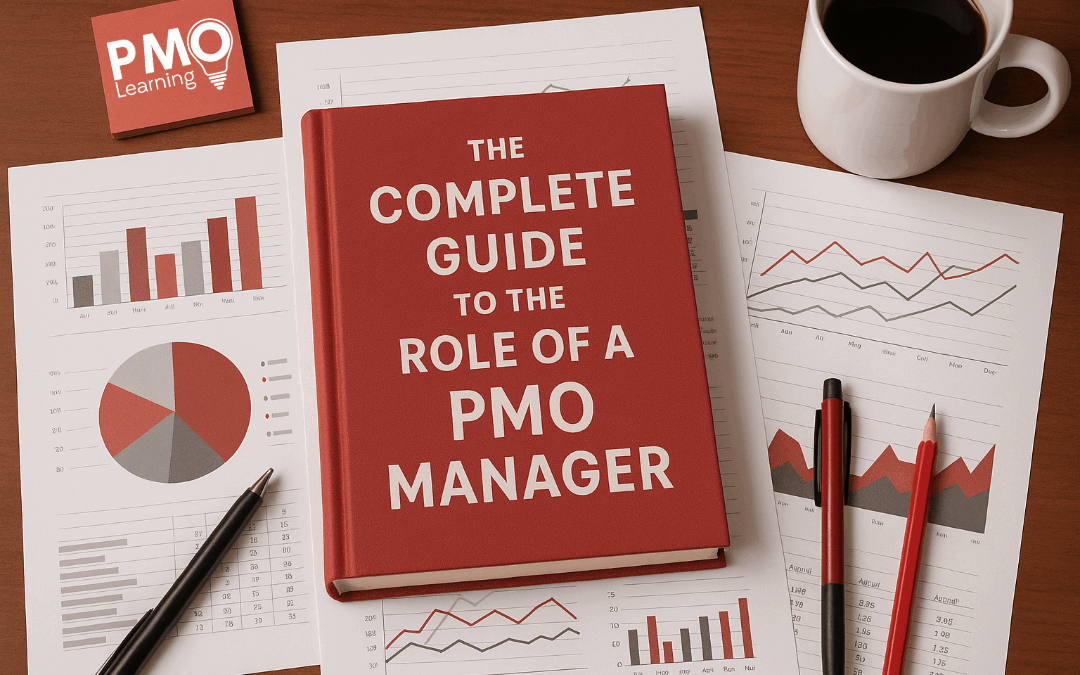
If you talk to PMO Managers about their work, you will often hear the same thing. No two days are the same, the challenges keep evolving and the role sits right at the centre of how an organisation delivers change. The PMO Manager position is both demanding and fulfilling.
This article brings together everything an aspiring or current PMO Manager needs to know. It explains the role clearly, shares real examples, offers professional development guidance and points you toward resources that will support your growth. Whether you are stepping into the role or strengthening your capability, this is your go to starting point for understanding what the PMO Manager role is really about.
What does a PMO Manager actually do?
At its core, the PMO Manager role involves establishing, running, improving and sometimes closing a PMO. It’s the role responsible for making sure the PMO delivers the services the organisation truly needs. PMO Managers help teams work in a consistent, structured and professional way. They translate strategic goals into practical delivery support. They build capability, influence behaviours and provide leaders with the insights they need to make sound decisions.
The responsibilities of a PMO Manager vary depending on the organisation, but most roles share the same core themes: strategic alignment, capability development, service design and meaningful communication. They may be designing governance frameworks, running portfolio dashboards, supporting project managers or establishing roles and responsibilities across project teams.
If you’re at the start of your journey, our free introductory guide is a great place to begin:
Download the free eBook: How to Get Started as a PMO Manager
A day in the life of a PMO Manager

Although no two days look the same, certain patterns emerge across most PMO Manager roles. The morning may begin with a one-to-one performance review or a check-in with the PMO team. Mid-morning might include leading a Community of Practice session or refining content for a governance forum. The afternoon may involve reviewing a PPM tool, meeting with the Quality team or finalising material for an upcoming Steering Committee.
Across the day, PMO Managers juggle operational responsibilities with strategic thinking. They switch between people, services and strategy, which is one of the many reasons why it’s such an engaging and rewarding role.
For a real-life look at what this feels like, read our blog:
A Day in the Life of a PMO Manager
Challenges PMO Managers often face
No matter the organisation, PMO Managers tend to face similar obstacles.
A PMO That Isn’t Fit for Purpose – Many PMOs evolve without clear design. When that happens, the PMO Manager must diagnose shortcomings, realign services and rebuild credibility. This can be one of the toughest parts of the role.
Lack of Visibility and Recognition – PMO work is often invisible. When delivery becomes smooth and predictable, leaders sometimes forget the PMO made that possible. A PMO Manager must constantly communicate value and demonstrate impact.
Being a PMO of One (or Very Few) – A large number of PMOs operate with just one or two people. This can create isolation, limit capacity and slow progress. It is one reason why joining a professional community such as the House of PMO, or networking at events such as the PMO Conference is so beneficial.
You can read more about these challenges and how to overcome them here:
The Top Five Pain Points for PMO Managers
Developing as a PMO Manager: Using the 70–20–10 Model
Growing as a PMO Manager requires more than learning a few tools or adopting a new reporting template. It’s about developing the mindset, behaviours and professional confidence needed to lead a modern PMO. One of the most effective ways to build these capabilities is by using the 70–20–10 development model. It helps you balance practical experience with support from others and structured learning.
Seventy percent: Learning through real experience
Most of your development will come from real work. This is where you build confidence, sharpen your judgment and refine your leadership skills. For PMO Managers, this might include:
- Leading the design or refresh of the PMO service catalogue
- Introducing a new governance or assurance framework
- Championing a reporting improvement or dashboard redesign
- Leading a maturity assessment and planning improvements
- Implementing or enhancing a PPM tool
- Taking accountability for solving a long-standing delivery challenge
These opportunities help you step outside day-to-day tasks and start thinking like a PMO leader rather than a practitioner.
Twenty percent: Learning from others
Support and feedback from other professionals are invaluable. You can accelerate your growth by:
- Working with a mentor or coach
- Joining LinkedIn groups for PMO Professionals
- Connecting with other PMO Managers to share ideas and approaches
- Attending webinars or conferences
- Participating in Communities of Practice within your organisation
- Asking for regular feedback from senior stakeholders
This “social learning” helps you build confidence, broaden your perspective and feel less isolated, something many PMO Managers experience.
Ten percent: Learning through formal training
Structured learning gives you the frameworks and language to perform your role with clarity and confidence. It also helps you step back from the day-to-day to understand PMO management at a professional level. The most relevant course for anyone leading or aspiring to lead a PMO is the Essentials for PMO Managers (3-day certification). This course focuses specifically on the PMO Manager role, the competences, behaviours, responsibilities and services you need to understand.
And if you’d like a quick way to see whether the Essentials for PMO Managers course is right for you, try our short 5-question quiz. The questions are based on the course content and will help you gauge your current knowledge and identify whether you might benefit from the full programme. Click here to test yourself.

You can also use formal tools to assess your capability. The PMO Competency Framework is an excellent resource for identifying your strengths and development areas and planning your next steps.
Essential Resources for PMO Managers
Below you’ll find free resources, training options and networking opportunities designed to help you deepen your knowledge and stay connected with the PMO profession.
Free Resources
How to Get Started as a PMO Manager eBook
Essentials for PMO Managers Quiz
Training & Professional Development
P3O® Foundation and Practitioner
Specialist courses such as Benefits Management and the Role of the PMO
Community & Networking
House of PMO Membership – Join a supportive community of PMO professionals, access events, resources and networking.
PMO – Project Management Office
PMI Project, Program and Portfolio Management Group
Enjoying Our Blog?
Sign up and receive all our articles (we’ll send you an update once a week!) plus special offers and events: